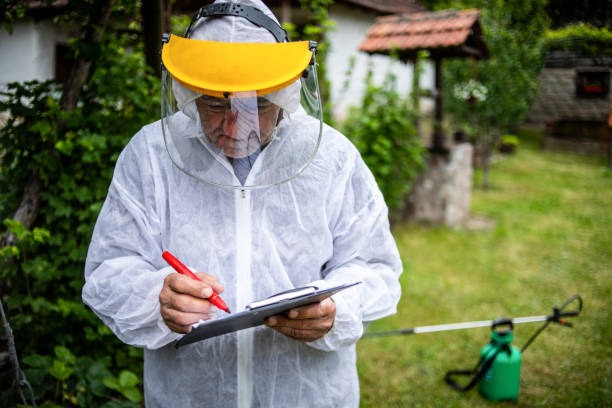

Clean and healthy buildings depend on prevention, monitoring, and fast corrective action. Many owners wait until insects or rodents become visible, but that delay often increases cost and disruption. A planned service model creates better results because hidden activity is managed early. When inspections are handled by a BPCA pest technician, the property receives professional attention based on standards, reporting, and practical treatment methods. Long-term planning is easier when service expectations are written into a pest control contract, giving clear schedules, response times, and treatment scope for every visit.
Why Professional Pest Management Matters
Pests can damage wiring, packaging, stored goods, insulation, and reputation. In homes they create discomfort, while in commercial sites they may interrupt operations. Restaurants, warehouses, offices, schools, and rental properties all benefit from consistent monitoring. During routine checks, a BPCA pest technician looks for entry points, moisture issues, nesting signs, and sanitation gaps that may attract infestations. These findings help owners prioritize repairs and improve daily habits. A properly written pest control contract also reduces confusion because responsibilities between client and provider are defined before issues arise.
Inspection Creates Better Decisions
Successful treatment starts with understanding the source of the problem. Random spraying rarely solves recurring activity if access points and food sources remain. Detailed surveys include external walls, drains, storage rooms, ceilings, waste areas, and surrounding landscape. After assessment, a BPCA pest technician can recommend trapping, proofing, exclusion work, targeted treatments, and follow-up schedules suited to the building. This process becomes more efficient when a pest control contract is already active, since approvals, reporting methods, and emergency procedures are agreed in advance.
Seasonal Risks and Changing Conditions
Weather changes often influence pest pressure. Warm months can increase flying insects, while cooler periods may drive rodents indoors. Rain can also force pests from drains or outdoor voids into occupied spaces. Regular visits allow a BPCA pest technician to adjust strategy according to seasonal patterns rather than reacting after complaints increase. With a pest control contract in place, inspections can be timed around predictable risk periods, helping the property stay ahead of problems instead of responding late.

Benefits for Businesses
Commercial premises need dependable standards because customers and auditors notice cleanliness quickly. Food businesses require records, storage checks, and immediate action if evidence appears. Offices need discreet service that does not disturb staff. Warehouses need perimeter control and stock protection. In these settings, a BPCA pest technician provides reports that support maintenance teams and compliance reviews. A structured pest control contract can also simplify budgeting because service costs are scheduled and unexpected callout charges may be reduced.
Benefits for Residential Properties
Homes, apartments, and rental units also gain from professional support. Tenants appreciate quick action, while landlords value fewer repeat complaints. Kitchens, lofts, gardens, drains, and utility spaces are common risk areas. A BPCA pest technician can explain why activity started and how to reduce recurrence through storage, waste handling, and sealing gaps. Many landlords prefer a pest control contract for multi-unit properties because it creates a repeatable schedule for shared areas and helps maintain standards across the site.
Choosing the Right Service Plan
Not every building needs the same frequency of visits. A low-risk office may need periodic inspections, while food storage areas may need more frequent attendance. The best plan considers property age, usage, local environment, previous history, and occupancy levels. When discussing service options, a BPCA pest technician should explain monitoring methods, reporting timelines, and any preparation needed before treatment. Reviewing these points inside a pest control contract ensures expectations are transparent from the start.
Conclusion
Reliable pest prevention is built on routine inspections, accurate reporting, and corrective action before infestations grow. Owners who invest in planned support often save money by avoiding damage, downtime, and repeated reactive treatments. By using a BPCA pest technician, buildings receive professional oversight tailored to real risks and changing seasons. Pairing that expertise with a pest control contract creates consistency, accountability, and stronger long-term protection for any property.
